Speedrun route planning and practice
Horsey Game Speedrun Guide: Routes, Practice & Safer Runs
A useful Horsey Game speedrun starts with a repeatable route hypothesis, a stable horse, and clear reset rules. This guide explains how to practice and review runs without turning community clues into guaranteed records.
Quick answer
How should you approach a Horsey Game speedrun?
The safest Horsey Game speedrun plan is to define one finish condition, choose a route you can repeat, and practice the largest time losses before chasing a perfect run. Start with a normal save and a horse that can move, turn, recover, and stay controllable. A fast-looking build that fails at the same obstacle is not a useful speedrun build yet.
Treat community routes, videos, and category pages as evidence to investigate rather than universal instructions. A route may depend on a particular game build, horse state, starting position, or player discovery. Write down the route hypothesis, test it several times, and keep a clean baseline so an experiment does not damage the save you use for ordinary play.
Start with the goal
What counts as a Horsey Game speedrun?
A speedrun is a timed attempt with a defined start, finish, and set of rules. The important part is not simply moving quickly. You need to know what begins the clock, what ends it, whether resets are allowed, and whether a category includes a required item, route, race, or ending. If those boundaries are unclear, two impressive-looking videos may not be comparable.
- Start: Name the exact action or screen that begins timing.
- Finish: Use a visible, repeatable end condition.
- Rules: Record required items, skips, resets, and version notes.
- Evidence: Keep a video or split note for every serious attempt.
Community rules
Horsey Game speedrun categories listed by the community
The Speedrun.com page checked on October 22, 2026 lists Any% and CRISPR%. Its Any% description says anything goes, but that does not remove the need to follow the page's start, finish, timing, and submission rules. The category page also links an Any% routing and strategies discussion, which is a better place to verify a route idea than an unsourced fixed-coordinate map.
CRISPR% was formerly called NoClip%. The current category description asks runners to cure Sweetie with a CRISPR-edited cure, use the power plant wheel, and avoid pasting the code from a clipboard. Some recent runs are marked Glitchless. Treat those details as community rules that can change, and recheck the category page before practicing or submitting. Money% appears in a news context on the page checked, not as a confirmed leaderboard category, so this guide does not present it as an established submission route.
- Any%: Use the current community category description and keep its timing boundaries consistent.
- CRISPR%: Check the Sweetie cure, power plant wheel, clipboard restriction, and any Glitchless label against the current rules.
- Money%: Treat it as an unconfirmed category unless the leaderboard publishes a current category and rules.
- Before a run: Save the category URL and note when you last checked its rules.
Category discipline
Choose a category and timer before practicing
Search results may mix a community category, a casual challenge, a full-game completion, and a video titled as a speedrun. Decide which one you are actually practicing before comparing times. The speedrun community page is useful for category names and submissions, while a video can show movement ideas; neither automatically proves that every shortcut is accepted under the same rules.
- Category: Use one goal and ruleset for the practice block.
- Timer: Keep the start and finish boundary unchanged.
- Version: Record the build or update context when known.
- Comparison: Compare like-for-like attempts, not headline numbers.
Route work
Plan a route without guessing fixed locations
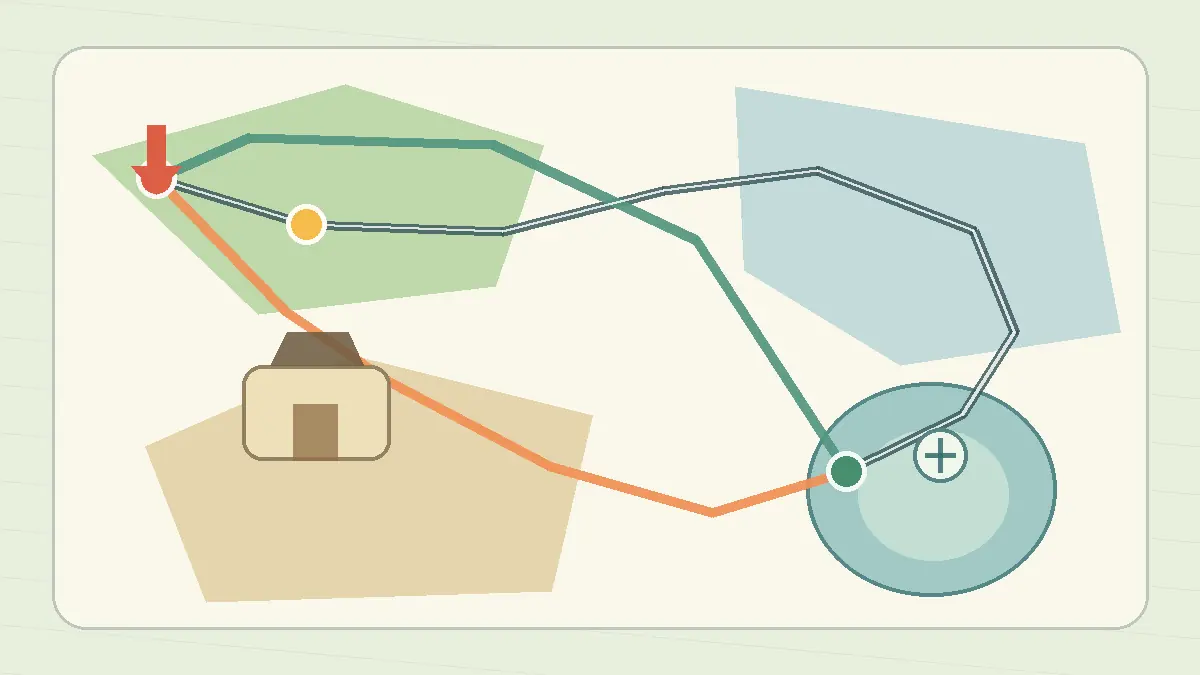
Build a route from landmarks you can identify again: the ranch, a road junction, a shop, a cave entrance, a race marker, or a shoreline. Mark the order in plain language and note what must be visible before you commit to the next turn. This creates a route that another player can understand without pretending the fan wiki has an official coordinate grid.
- Landmarks: Use places that are easy to recognize on repeat visits.
- Order: Write the route as a sequence of decisions.
- Shortcut: Test one risky cut against a stable baseline.
- Fallback: Keep a recovery route for failed movement.
Practice loop
Practice splits, resets, and recovery in small blocks
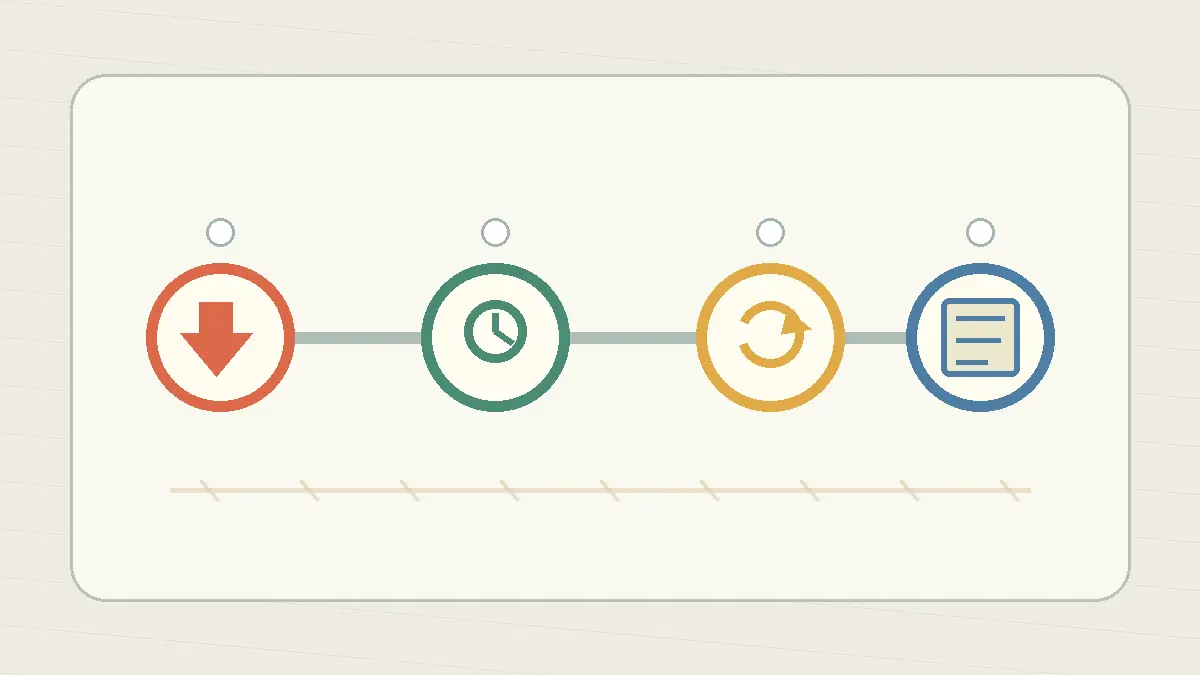
A long run hides where time disappears. Divide the route into three to five meaningful splits: leaving the start area, reaching the first landmark, crossing the risky section, and entering the finish. Practice one split until you can explain its failure modes, then connect it to the next split. This is more useful than repeating a full run without recording what changed.
Set a reset rule before you start. Reset after a fall, a missed required item, or a route state that makes the comparison unfair. Continue when the mistake is recoverable and you are deliberately practicing recovery. The rule keeps your notes honest: a personal best should not quietly include a different category, an unplanned reload, or a lucky state that you cannot reproduce.
- Split: Choose a section with one clear decision or risk.
- Reset: Define which mistakes invalidate the attempt.
- Recovery: Practice recoverable errors as a separate skill.
- Break: Stop before fatigue makes the data noisy.
Horse and save
Prepare movement, stamina, and a safe save baseline
A speedrun horse needs usable control before it needs a spectacular top speed. Test whether it starts, turns, stays upright, and recovers after a small collision. If the route is long, watch the final section for fatigue. Keep the normal racing guide as the place for broad build preparation; this page only asks whether the build supports a repeatable timed route.
- Control: Check starting, turning, stopping, and recovery behavior.
- Stamina: Compare the finish section with the opening burst.
- Baseline: Keep an untouched horse or save copy.
- Change log: Record one breeding or DNA change at a time.
Review
Review a run before calling it fast
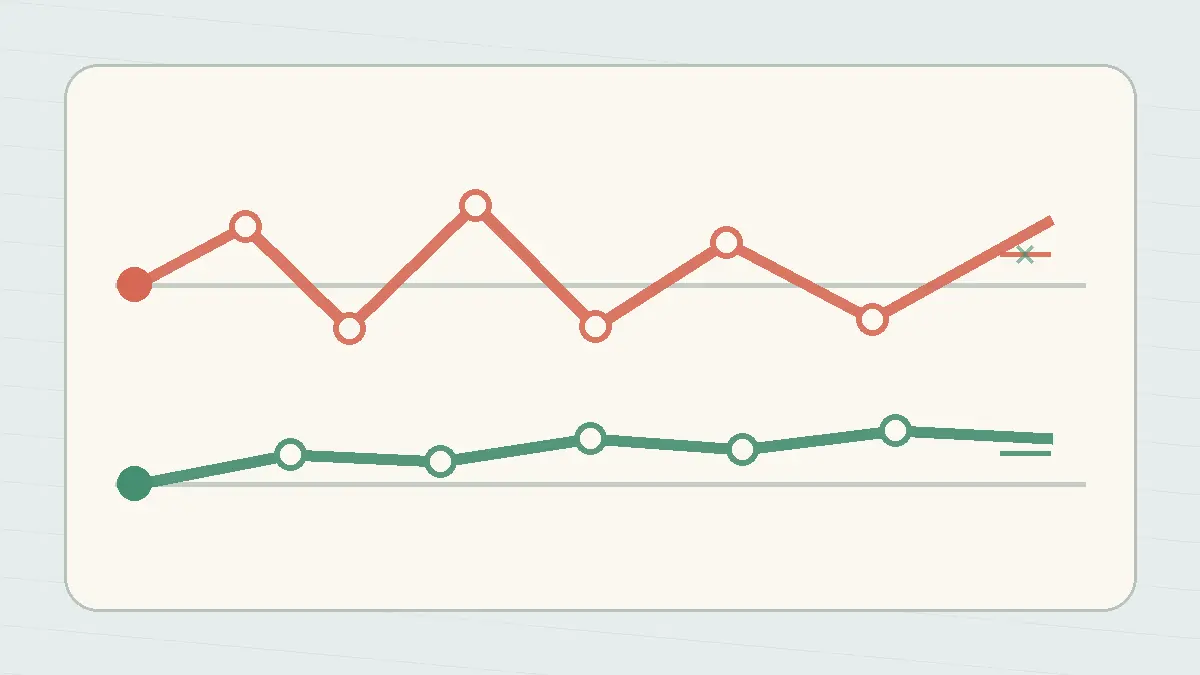
Review the first failure, not only the final time. Compare the split where you lost control, the route decision that added distance, and the point where the horse stopped recovering. A slower run with clean inputs may be a better baseline than a faster run that depends on an accidental collision or a state you cannot recreate.
- Failure: Locate the first repeatable time loss.
- Evidence: Keep video, splits, and route notes together.
- Context: State category, timer, version, and reset rules.
- Promotion: Adopt a shortcut only after repeatable tests.
Reference
Horsey Game speedrun practice priorities
Use this table to choose the next experiment. It is a practice framework, not a universal fastest-build ranking.
| Practice goal | Watch first | Common trade-off | Next test |
|---|---|---|---|
| Stable route | Landmarks and turns | Longer distance | Repeat three comparable runs |
| Shortcut | Entry and recovery | More resets | Compare one cut with the baseline |
| Fast movement | Control after contact | Falls or spins | Practice the risky split alone |
| Long category | Late stamina | Slower opening | Time the final section separately |
| New build | One changed trait | Unknown side effects | Use a spare horse and save copy |
Workflow
A repeatable Horsey Game speedrun workflow
- Define the category Write the start, finish, rules, timer, and version note.
- Scout landmarks Map the route in plain language and mark risky decisions.
- Save the baseline Keep a stable horse and clean save before experiments.
- Practice splits Time small sections and record the first failure.
- Set resets Reset invalid attempts and separate recovery practice.
- Review and share Compare like-for-like runs and document the evidence.
FAQ
Horsey Game speedrun FAQ
Sources
Official and community context
- Official Horsey Game page on Steam - Use the official listing for game identity, platform context, and current store information; this fan wiki does not host game files.
- Horsey Game speedrun community page - Checked for category and submission context. Community rules and route details can change, so verify them before submitting a run.
- Horsey Game community guides - Used as a guide-coverage boundary; route observations are not treated as a universal record claim.